Services
Most comprehensive genetic services for infertility - Karyotyping, GeneFeminaTM, GeneAndroTM, HLA-sharing, AZF, CFTR, Fragile X, Carrier tests, CMA, NIPT, PGT-A, PGT-SR, PGT-M & other molecular tests.
Select Category



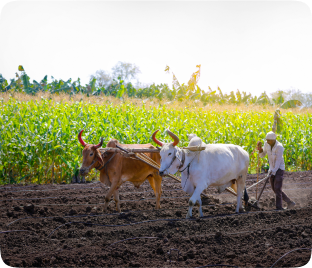
Genomics transforms livestock breeding globally, boosting productivity and sustainability. In the U.S., SNP arrays guide dairy cattle selection since 2007. Europe targets milk yield and disease resistance. India’s NDDB and GenomeIndia advance genomic selection for local breeds. Standardized SNP arrays enhance diverse breed applications.
Our advanced lab supports global research organizations with cutting-edge genomics services.













Our animal genomics services leverage advanced sequencing to decode the genetic makeup of livestock, aqua and even wild animals, enhancing breeding, health, and sustainability. By identifying key genetic markers, we enable marker-assisted selection for traits like disease resistance, productivity, and environmental adaptability.
Utilizing next-generation sequencing and SNP microarrays, we deliver precise, actionable insights for optimized breeding programs. Our solutions empower breeders, animal research, and animal products organizations with data-driven decisions to improve herd quality and agricultural efficiency.
Genomics adoption in animal genetics is transforming livestock breeding worldwide, with widespread integration in North America, Europe, and Asia to enhance productivity and sustainability. In the U.S., genomic selection, introduced in 2007, is standard for dairy cattle, leveraging SNP arrays for precise trait selection. Europe’s dairy and beef industries use genomics for traits like milk yield and disease resistance, driven by cost-effective genotyping.
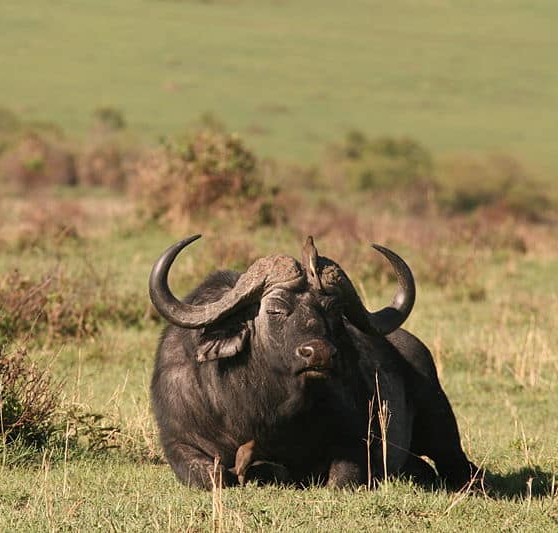
In India, the National Dairy Development Board’s programs and the GenomeIndia Project’s livestock initiatives are advancing genomic selection in breeds like Gyr and Sahiwal. Projects like the Bovine Pangenome Consortium globally and India’s Buffalo Genome Project promote standardized SNP arrays, accelerating adoption by providing accessible genetic tools for diverse breeds.























.png)
.png)


.png)





.png)


.png)




.jpg)

.jpg)

.jpg)
.jpg)
.png)
.jpg)

.jpg)