Services
Most comprehensive genetic services for infertility - Karyotyping, GeneFeminaTM, GeneAndroTM, HLA-sharing, AZF, CFTR, Fragile X, Carrier tests, CMA, NIPT, PGT-A, PGT-SR, PGT-M & other molecular tests.
Select Category



Leveraging genomics insights to address infertility, improve reproductive outcomes, support patient specific tailored interventions, enhance success rates of ART.

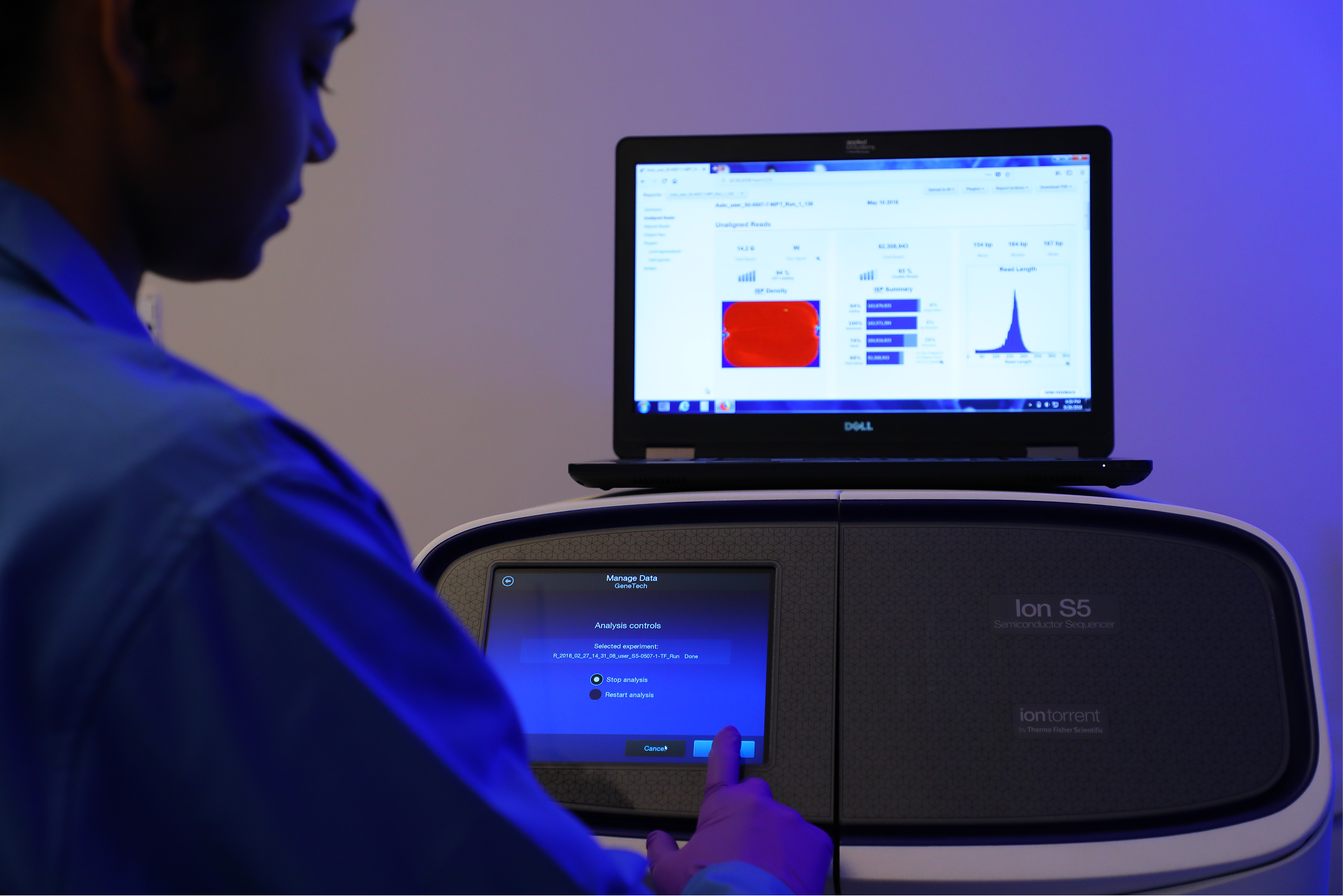


The comprehensive female and male Genomic Fertility Analysis offers the best possible diagnostic yield through identification of genomic root cause for multiple infertility phenotypes. Provides pharmacogenomic insights and paves way for personalised treatment, leading to enhanced success rate with ART.


More than 100 IVF clinics across India and overseas routinely use GeneFemina and GeneAndro in their IVF practice, and more than 10,000 couples have benefited from these in the last few years.
Talk to your IVF physician about this.
Leveraging genomics insights to address infertility, improve reproductive outcomes, support patient specific tailored interventions, enhance success rates of ART.
GeneTech remains at the forefront of fertility genomics with major breakthroughs including Genomic Fertility Analysis (GeneFeminaTM, GeneAndroTM), enhanced HLA compatibility assessments, data driven AI for personalised recommendations, novel embryo testing methods that empower IVF specialists.



The comprehensive female and male Genomic Fertility Analysis offers the best possible diagnostic yield through identification of genomic root cause for multiple infertility phenotypes. Provides pharmacogenomic insights and paves way for personalised treatment, leading to enhanced success rate with ART.
The continuous and increasing adoption of GeneFemina and GeneAndro tests is a testimonial for the new standards set by GeneTech and its commitment to the field of Fertility Genomics.
More than 100 IVF clinics across India and overseas routinely use GeneFemina and GeneAndro in their IVF practice, and more than 10,000 couples have benefited from these in the last few years.
Talk to your IVF physician about this.

















.png)
.png)



.png)





.png)


.png)





.jpg)

.jpg)

.jpg)
.jpg)
.png)
.jpg)

.jpg)